

wildlife tour Tanzania ’s most iconic wildlife destinations, offering an unparalleled combination of diverse landscapes, rich ecosystems, and extraordinary animal encounters. A wildlife tour in Tanzania is more than a journey—it is an immersive adventure into the heart of the African wilderness. From the vast savannahs of the Serengeti and the majestic Ngorongoro Crater to the remote expanses of Ruaha and Selous, Tanzania provides travelers with unforgettable wildlife experiences in some of the world’s most photogenic settings.
Why Choose Tanzania for a Wildlife Tour
Tanzania is home to more than 20 national parks, game reserves, and conservation areas, each offering unique wildlife viewing opportunities. The country’s varied topography—including savannahs, woodlands, wetlands, montane forests, and coastal areas—supports over 350 species of mammals and more than 1,100 species of birds.
Tanzania is particularly famous for the Big Five—lion, leopard, elephant, buffalo, and rhinoceros—but its wildlife offerings extend far beyond these iconic species. From cheetahs sprinting across open plains to hippos lounging in rivers, Tanzania provides both diversity and density that make each safari day exciting and rewarding.
The country’s infrastructure, including well-maintained roads, quality lodges, and experienced guides, ensures that travelers can explore its wilderness safely and comfortably. Wildlife tours in Tanzania combine game drives, guided walks, and cultural encounters to create a holistic safari experience.
Serengeti National Park: The World-Famous Plains
No wildlife tour Tanzania is complete without visiting the Serengeti National Park. Known globally for its sweeping savannahs and abundant wildlife, the Serengeti is synonymous with African safari.
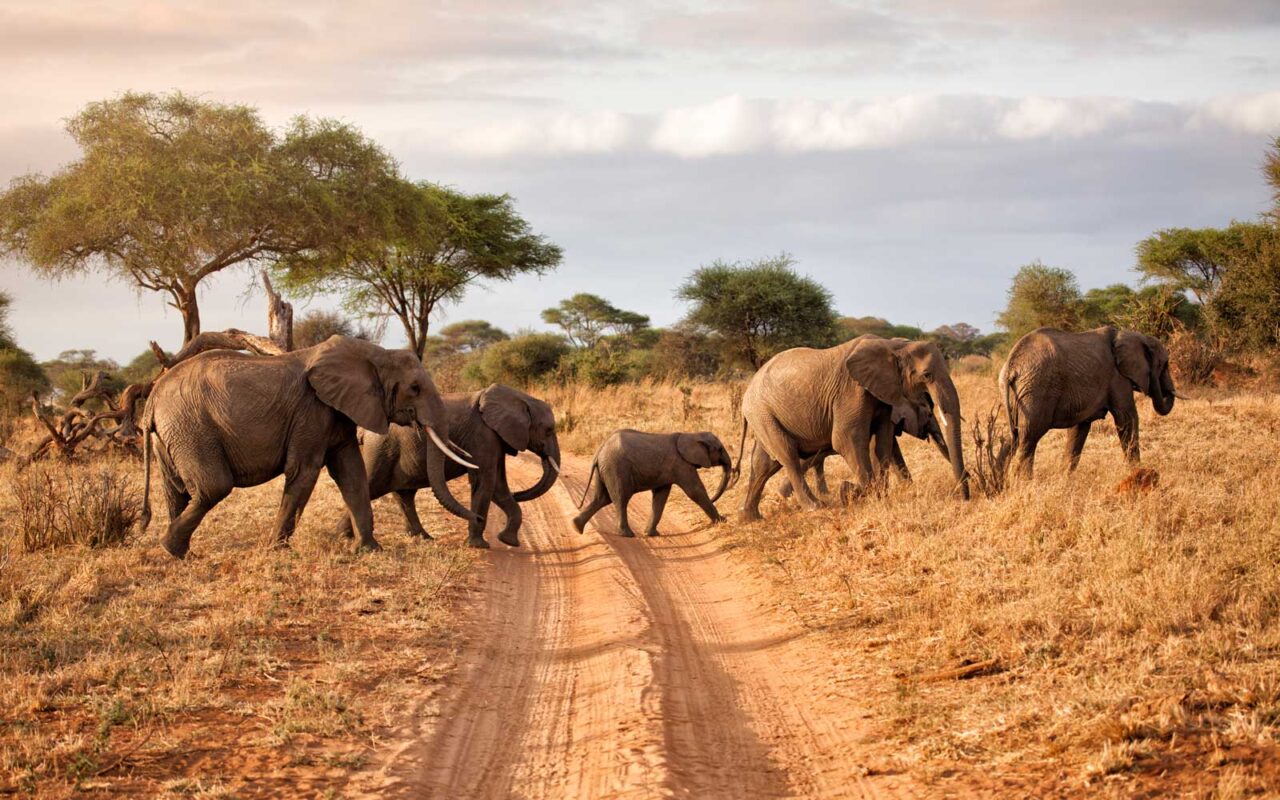 The park hosts the Great Migration, one of the most spectacular wildlife events on Earth. Each year, over a million wildebeest and hundreds of thousands of zebras traverse the Serengeti in search of fresh grazing lands. Dramatic river crossings attract crocodiles and predators, creating action-packed scenes ideal for photography and wildlife observation.
Beyond migration, the Serengeti offers abundant opportunities to see lions, leopards, cheetahs, elephants, giraffes, and a variety of antelope species. Birders also benefit from the park’s rich avian diversity, with raptors, hornbills, and colorful rollers frequently seen across the plains.
Private conservancies surrounding the Serengeti provide additional benefits for wildlife tours, including off-road access, fewer crowds, and longer observation times, allowing travelers to experience wildlife in a more intimate and unhurried setting.
Ngorongoro Crater: A Wildlife Sanctuary
The Ngorongoro Conservation Area is a UNESCO World Heritage Site and one of Tanzania’s most unique wildlife destinations. The crater is a natural enclosure spanning approximately 260 square kilometers, with steep walls that create a self-contained ecosystem.
Within the crater, visitors can observe lions, elephants, buffalo, black and white rhinos, zebras, wildebeest, and numerous antelope species in a relatively compact area. The high concentration of wildlife, combined with the crater’s stunning landscapes, offers unmatched photographic and observational opportunities.
In addition to its wildlife, the Ngorongoro Conservation Area is home to Maasai communities. Cultural encounters with the Maasai enrich the safari experience, allowing travelers to learn about traditional lifestyles and conservation efforts that coexist with wildlife protection.
Lake Manyara National Park: Wetlands and Tree-Climbing Lions
Lake Manyara National Park may be smaller than other parks, but it is ecologically rich and scenically spectacular. The lake attracts flocks of flamingos, pelicans, cormorants, and other waterbirds, creating dramatic visual displays.
The park is also famous for its tree-climbing lions, a rare behavior that can be observed in a few select locations. Elephants, hippos, giraffes, and baboons are also frequently sighted. The combination of wetlands, woodlands, and acacia savannahs ensures that each game drive in Lake Manyara offers diverse photographic and wildlife opportunities.
Ruaha National Park: Remote Wilderness
For travelers seeking a more secluded and adventurous safari, Ruaha National Park is an excellent choice. As Tanzania’s largest national park, Ruaha features vast landscapes of miombo woodlands, riverine forests, and open plains.
The park is home to large elephant herds, lions, leopards, cheetahs, and African wild dogs. Birdwatchers also enjoy Ruaha, with species such as rufous-tailed weavers, African pygmy kingfishers, and numerous raptors. The remoteness of Ruaha ensures fewer vehicles and a more authentic wilderness experience.
Selous Game Reserve: Untamed and Scenic
The Selous Game Reserve, also known as the Nyerere National Park, is one of the largest protected areas in Africa. The reserve’s river systems, floodplains, and woodlands provide critical habitats for elephants, crocodiles, hippos, and predators.
Selous offers boat safaris along the Rufiji River, which provide a unique perspective on aquatic wildlife and bird species. Walking safaris and guided game drives allow for closer encounters with animals while maintaining safety and conservation standards. The vast, uncrowded landscapes give travelers a sense of true wilderness adventure.
Wildlife Beyond the Big Five
Tanzania’s wildlife diversity extends far beyond the Big Five. Cheetahs sprinting across open plains, giraffes browsing acacia trees, hyenas communicating with eerie calls at dusk, and hippos wallowing in rivers create endless photographic and observational opportunities. Smaller mammals, such as dik-diks, servals, and bushbucks, add variety for keen wildlife enthusiasts.
Birding is also an important aspect of Tanzanian wildlife tours. Over 1,100 species inhabit the country, from colorful lilac-breasted rollers to African fish eagles, storks, and vultures, making each safari a multi-dimensional experience.
Best Time for a Wildlife Tour
Tanzania can be visited year-round, but the timing of a wildlife tour depends on priorities. The dry season, from June to October, offers the best game viewing, as animals gather near water sources and vegetation is less dense. This season coincides with the Great Migration in northern Serengeti regions.
The green season, from March to May, brings lush landscapes, fewer tourists, and excellent birdwatching opportunities. Wildlife is often concentrated around permanent water sources, making sightings still productive while landscapes are more vibrant.
Accommodation and Safari Experiences
Tanzania provides a wide range of accommodation for wildlife tours. Luxury lodges, tented camps, and eco-lodges are strategically located near prime wildlife habitats, allowing convenient access to game drives and photographic opportunities.
Safari activities may include traditional 4×4 game drives, walking safaris, hot air balloon rides over the Serengeti, and cultural visits to Maasai or Hadzabe communities. Each experience is designed to maximize wildlife encounters while ensuring comfort, safety, and sustainability.
Conservation and Responsible Travel
Tanzania’s wildlife is protected through national parks, reserves, and community-led conservation initiatives. Choosing responsible tour operators, respecting park regulations, and minimizing disturbance to animals are essential practices for travelers.
Sustainable tourism supports both conservation efforts and local communities. Eco-friendly lodges, community-run conservancies, and ethical safari guides ensure that wildlife tours contribute positively to Tanzania’s environmental and social well-being.
Conclusion
A wildlife tour to Tanzania is a journey into some of Africa’s most iconic and untamed landscapes. From the vast plains of the Serengeti to the spectacular Ngorongoro Crater, from Lake Manyara’s wetlands to the remote wilderness of Ruaha and Selous, Tanzania offers unmatched diversity and density of wildlife.
For travelers seeking adventure, spectacular wildlife encounters, and breathtaking landscapes, Tanzania is a destination that delivers unforgettable memories. Every sunrise over the savannah, every predator sighting, and every herd of elephants crossing a river becomes part of a story that captures the spirit of Africa—a story that remains etched in memory long after the safari ends.